* Geology: The study of the Earth's solid, non-living components, including rocks, minerals, landforms, and the processes that shape them.
* Oceanography: The study of the Earth's oceans, including their physical, chemical, and biological properties, as well as their interactions with the atmosphere and land.
* Meteorology: The study of the Earth's atmosphere, including weather, climate, and atmospheric circulation.
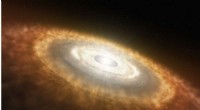
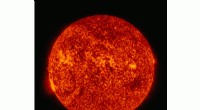
* Astronomy: The study of celestial objects, including planets, stars, galaxies, and the universe as a whole.
* Astrophysics: The study of the physical and chemical properties of celestial objects.
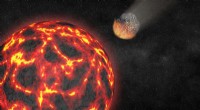
* Planetary Science: The study of planets and other celestial bodies within our solar system and beyond.
* Geophysics: The study of the Earth's physical properties, including its internal structure, magnetic field, and seismic waves.
* Environmental Science: The study of the interactions between living organisms and their physical environment, including the effects of human activities on the Earth's systems.
These disciplines are interconnected and often overlap, as they all work to understand the complex and dynamic systems that make up our planet and the universe around us.