Mars is a cold, dry, and thin-atmosphered planet with an average surface temperature of -62°C (-80°F). Its thin atmosphere is composed mostly of carbon dioxide (95%), with trace amounts of nitrogen, argon, oxygen, and water vapor.
Here's a breakdown of the key features of Mars' climate:
Temperature:
* Wide temperature swings: Daily temperature variations can be extreme, with highs reaching 20°C (68°F) in the summer and lows plummeting to -140°C (-220°F) at night.
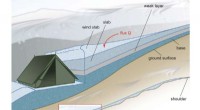
* Polar ice caps: Mars has permanent ice caps at its poles, primarily composed of water ice and carbon dioxide frost.
Atmosphere:
* Extremely thin: The atmospheric pressure at the surface is about 100 times thinner than Earth's, making it difficult for liquid water to exist.
* Dust storms: Mars experiences intense dust storms that can engulf the entire planet, lasting for weeks and even months.
* Weak magnetic field: This lack of a strong magnetic field leaves the planet vulnerable to solar radiation, further contributing to the harsh climate.
Water:
* Evidence of past water: While liquid water cannot exist on the surface today due to the thin atmosphere, there is strong evidence that Mars once had flowing water in the past.
* Frozen water: Water ice is found beneath the surface and at the poles, as well as in the atmosphere as ice clouds.
Overall:
Mars is a hostile environment for life as we know it. Its thin atmosphere, low pressure, and extreme temperature swings make it a challenging place for humans or any life forms to survive without significant technological support.
However, ongoing exploration and research are revealing fascinating insights about Mars' past climate and potential for habitability. Future missions aim to further understand the planet's history and explore the possibility of past or present life.