Modern astronomy is a vast and ever-evolving field encompassing the study of celestial objects and phenomena using a multitude of sophisticated tools and techniques. It builds upon centuries of accumulated knowledge, employing the scientific method to uncover the mysteries of the Universe.
Here's a glimpse into what defines modern astronomy:
Key Characteristics:
* Multi-wavelength observations: Modern astronomers utilize telescopes across the entire electromagnetic spectrum, from radio waves to gamma rays, to observe celestial objects in unprecedented detail. This allows us to study various aspects of celestial bodies that are invisible to the human eye.
* Computational Power: Vast amounts of data are collected by telescopes and analyzed using powerful computers and sophisticated algorithms. This allows astronomers to model complex celestial processes and uncover hidden patterns in the data.
* Collaboration and Global Networks: Modern astronomy is highly collaborative. Astronomers worldwide share their knowledge and resources, working together on large projects like the Event Horizon Telescope, which captured the first image of a black hole.
* Focus on Fundamental Questions: Modern astronomy aims to answer fundamental questions about the Universe, such as:
* Origins: How did the Universe begin? What are the fundamental building blocks of matter and energy?
* Evolution: How have galaxies, stars, and planets formed and evolved over time?
* Life: Are we alone in the Universe? Are there other planets that could support life?
* Future: What is the ultimate fate of the Universe?
Major Branches:
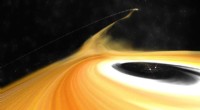
* Astrophysics: Focuses on the physical processes and properties of celestial objects, including stars, galaxies, black holes, and dark matter.
* Cosmology: Explores the origin, evolution, and large-scale structure of the Universe as a whole.
* Planetary Science: Studies planets, moons, asteroids, comets, and other objects in our solar system and beyond.
* Stellar Astronomy: Focuses on the life cycles, properties, and evolution of stars.
Advancements and Future Directions:
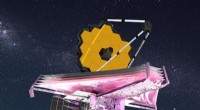
* Space Telescopes: The launch of powerful space telescopes like the Hubble Space Telescope and the James Webb Space Telescope has revolutionized our understanding of the Universe.
* Gravitational Waves: The detection of gravitational waves has opened a new window into the Universe, allowing us to study events like black hole mergers.
* Exoplanet Exploration: Modern astronomy has led to the discovery of thousands of exoplanets, planets orbiting other stars. This is a rapidly growing field with the potential to answer the question of whether we are alone in the Universe.
* Dark Matter and Dark Energy: These mysterious substances make up the majority of the Universe, but their nature remains unknown. Unraveling their secrets is a key challenge for future astronomy.
Modern astronomy is a dynamic and exciting field that continues to push the boundaries of human knowledge. With ongoing technological advancements and the collaboration of brilliant minds worldwide, we are continually uncovering new and awe-inspiring discoveries about our place in the vast and mysterious Universe.