Meteorologists study the atmosphere's composition, structure, and processes, including:
* Weather: Temperature, humidity, pressure, wind, precipitation, and clouds.
* Climate: Long-term patterns of weather.
* Atmospheric circulation: Large-scale movements of air.
* Atmospheric composition: Gases, aerosols, and other constituents.
* Energy balance: How the atmosphere absorbs, reflects, and radiates energy.
* Weather forecasting: Predicting future weather conditions.
They use a variety of tools and techniques, including:
* Weather balloons: Measure atmospheric conditions at different altitudes.
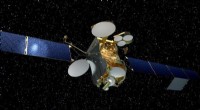
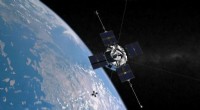
* Satellites: Provide images and data about the atmosphere.
* Radars: Detect precipitation and other atmospheric phenomena.
* Computer models: Simulate atmospheric processes and predict future weather.