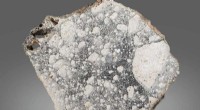
1. Weathering of Bedrock: The C horizon is essentially the parent material from which the overlying soil horizons (A, B, and sometimes O) developed. This parent material is usually bedrock, the solid, unweathered rock that lies beneath the soil. Over time, the bedrock is broken down by various weathering processes:
* Physical Weathering: This involves the mechanical breakdown of the rock into smaller pieces. Freeze-thaw cycles, abrasion by wind and water, and root growth are examples.
* Chemical Weathering: This involves the chemical alteration of the rock, leading to the formation of new minerals. Examples include oxidation, hydrolysis, and dissolution.
2. Minimal Biological Activity: Compared to the upper horizons, the C horizon has very limited biological activity. This means there's less decomposition of organic matter, less mixing by organisms like earthworms, and less root penetration.
3. Limited Soil Development: The C horizon shows minimal signs of soil development. It retains many characteristics of the parent bedrock, such as color, texture, and mineral composition. It might show some signs of weathering, but not the intense alteration seen in the upper horizons.
4. Variations: The C horizon can vary significantly in depth and appearance depending on the parent material, climate, and landscape. For instance, in areas with a lot of rainfall, the C horizon might be quite thick and heavily weathered. In drier regions, it might be thin and less weathered.
In Summary:
The C horizon is the product of long-term weathering and geological processes. It represents the parent material from which the soil developed, with limited signs of biological activity and soil development. Understanding the C horizon helps us understand the origin and formation of the soils above it.