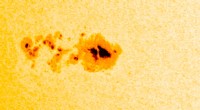
* Stars are massive and generate their own light and heat through nuclear fusion. They are primarily made of hydrogen and helium, and the immense pressure and heat in their core fuse these elements, releasing tremendous energy.
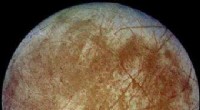
* Planets are much smaller and orbit stars. They do not produce their own light and heat; they reflect light from their host star.
Here's a simple analogy: Imagine a giant bonfire (the star) and a tiny rock (the planet) orbiting it. The bonfire is the source of light and heat, while the rock simply reflects the bonfire's light.
The key differences between stars and planets are:
* Size: Stars are much larger than planets.
* Light and heat: Stars generate their own light and heat, while planets do not.
* Composition: Stars are mostly made of hydrogen and helium, while planets can be made of various materials, including rock, gas, and ice.
Therefore, a star cannot be a planet because they have fundamentally different properties and formation processes.