Here's a breakdown:
* The Sun's Core: The Sun is mainly composed of hydrogen and helium. In its core, intense gravity creates immense pressure and heat. This forces hydrogen atoms to fuse together, forming helium and releasing tremendous energy. This is the process that powers the Sun.
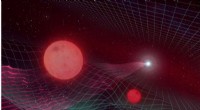
* Larger Stars: Stars significantly larger than our Sun have cores hot and dense enough to fuse heavier elements like carbon, oxygen, nitrogen, and even heavier elements like iron.
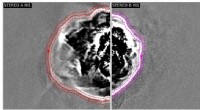
* Supernovae: When these massive stars run out of fuel, they collapse under their own gravity, resulting in a massive explosion called a supernova. During this explosion, the intense heat and pressure cause even heavier elements to form.
* Dissemination: The supernova disperses these newly formed heavy elements into space, where they eventually become part of new stars, planets, and other celestial bodies.
Therefore, while the Sun's core is where nuclear fusion happens, it's not the birthplace of heavier elements. That honor goes to the cores of massive stars and the explosive deaths they undergo as supernovae.