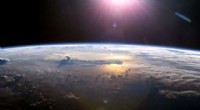
* Atmospheric Scattering: When sunlight passes through the Earth's atmosphere, blue light is scattered more than other colors. This is why the sky is blue during the day. As the sun sets and the moon rises, light has to travel through more of the atmosphere. This means more blue light is scattered away, leaving behind the redder wavelengths, which our eyes perceive as yellow or orange.
* Time of Day: Around 8 PM, the moon is often relatively low in the sky. This means the light has to travel through a thicker layer of atmosphere, leading to more scattering and a yellower appearance.
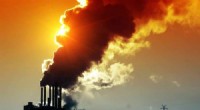
* Air Pollution and Dust: Pollution and dust particles in the air can also contribute to scattering and enhance the yellow or orange hue.
Important Note: The moon itself does not change color. Its surface reflects sunlight, and the apparent color we see is a result of the way that light is filtered by the Earth's atmosphere.