Mythology:
* Heroic Tale: Perseus is named after the Greek hero who slayed the Gorgon Medusa, a creature with snakes for hair whose gaze could turn men to stone. This feat saved Andromeda from being sacrificed to Cetus, a sea monster.
* Notable Features: The constellation's stars represent objects from the myth:
* Algol (β Persei): Represents Medusa's head. It's a variable star that changes brightness every 2.87 days.
* Mirfak (α Persei): The brightest star in Perseus, represents Perseus's elbow.
* The Great Perseus Cluster: A group of stars visible with the naked eye, representing the stars that Perseus gathered after defeating Medusa.
Astronomy:
* Location: Perseus is located in the northern hemisphere, bordering constellations like Cassiopeia, Andromeda, and Taurus.
* Visibility: Perseus is visible from October to March in the northern hemisphere.
* Notable Objects:
* The Double Cluster (h & χ Persei): A beautiful pair of open star clusters that can be seen with the naked eye.
* The Perseus Molecular Cloud: A vast region of gas and dust where new stars are forming.
* The Perseus Galaxy Cluster: A massive group of galaxies located millions of light-years away.
Other Facts:
* The International Space Station: Perseus is a common sighting zone for astronauts aboard the International Space Station.
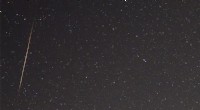
* Meteor Shower: The Perseids, one of the most famous meteor showers, appear to radiate from Perseus in August.
Perseus is a constellation rich in mythology and astronomy, offering a fascinating journey through the night sky.