Direct Impacts:
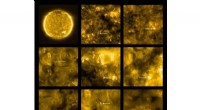
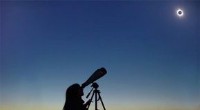
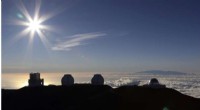
* Sun: The Sun is our primary source of energy. Its position in the sky determines day and night, and its distance from Earth influences seasons. This impacts everything from agriculture to our circadian rhythms.
* Moon: The Moon's gravity causes tides, affecting coastal ecosystems and navigation. It also influences the Earth's axial tilt, which helps stabilize our climate over long periods.
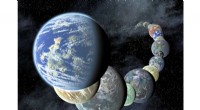
* Other Planets: While less directly impactful, the gravitational pull of other planets can influence Earth's orbit and climate over very long timescales.
Indirect Impacts (Astrology):
* Astrology: This belief system connects celestial body positions with human personality and events. While not scientifically supported, it holds cultural significance and influences many people's lives.
Important Considerations:
* Scientific vs. Astrological: It's crucial to differentiate between the scientifically proven effects of celestial bodies on Earth and the astrological interpretations that lack scientific basis.
* Scope: While the Sun and Moon have direct daily impacts, the effects of other planets are less immediate and often occur over long periods.
* Evolutionary Perspective: The Earth's orbit and the positions of other planets have played a crucial role in the development of life on Earth.
Conclusion:
Celestial bodies have undeniable and profound impacts on humanity. These impacts range from the fundamental aspects of life, like day and night, to more complex phenomena like tides and climate. While astrology remains a matter of personal belief, understanding the scientific connections between celestial bodies and Earth is essential for comprehending our place in the universe.