* Dust Absorption: Dust particles in nebulae are very effective at absorbing visible light. This is why nebulae often appear dark and opaque in visible light images.
* Infrared Transparency: Infrared light has longer wavelengths than visible light. This means that it is less likely to be absorbed or scattered by the dust particles.
* Thermal Emission: Dust in nebulae also emits infrared radiation due to its temperature. This means that infrared telescopes can detect both the light that passes through the dust and the light emitted by the dust itself, providing a more complete view of the nebula.
Examples:
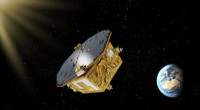
* Spitzer Space Telescope: This infrared telescope made groundbreaking observations of nebulae, revealing hidden details and structures obscured by dust.
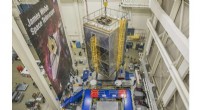
* James Webb Space Telescope (JWST): JWST, designed to observe in infrared wavelengths, will provide even more detailed and sensitive views of nebulae, offering a glimpse into the birth and evolution of stars.
In short, infrared light can penetrate the dust in nebulae because its longer wavelengths are less likely to be absorbed or scattered by the dust particles.