Here's a breakdown of the most notable moons:
The Galilean Moons:
* Io: The most volcanically active body in our solar system, with volcanoes that spew sulfur and other materials.
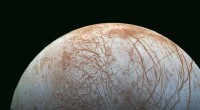
* Europa: A potentially habitable moon with a subsurface ocean of liquid water, making it a prime target in the search for extraterrestrial life.
* Ganymede: The largest moon in our solar system (even bigger than the planet Mercury), with its own magnetic field and a subsurface ocean.
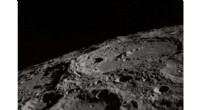
* Callisto: The most heavily cratered body in the solar system, with a surface that suggests little geological activity.
Other notable moons:
* Amalthea: A reddish moon with a very irregular shape.
* Himalia: The largest of the "Himalia group" of moons, which share similar orbits.
* Thebe: A small moon with a crater-filled surface.
New discoveries:
* In 2017, scientists announced the discovery of 12 new moons, bringing the total to 79.
* Most of these new moons are small and faint, orbiting far from Jupiter.
This is just a glimpse into the fascinating world of Jupiter's moons. Astronomers continue to learn more about these diverse bodies, shedding light on the formation of our solar system and the potential for life beyond Earth.