1. Orbital Paths:
* Different Orbits: Each planet in our solar system orbits the Sun at a different speed and distance. This means their positions relative to Earth constantly change.
* Earth's Perspective: As Earth moves in its own orbit, our perspective on where other planets appear in the sky shifts. Imagine driving past a car on a highway. The car looks like it's moving slowly, but it's because you're also moving.
2. Sun's Position:
* Planet Visibility: Planets are much fainter than stars. During the day, sunlight overwhelms their light, making them invisible.
* Inner vs. Outer Planets:
* Inner Planets (Mercury and Venus): These planets are closer to the Sun. They are only visible for short periods either shortly before sunrise or after sunset.
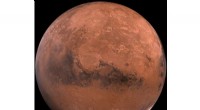
* Outer Planets (Mars, Jupiter, Saturn, Uranus, Neptune): These planets are farther from the Sun and can be visible for longer periods during the night.
3. Planet's Position in Its Orbit:
* Conjunctions: When a planet is on the same side of the Sun as Earth, it is in conjunction. It's either hidden behind the Sun or appears close to it, making it impossible to see.
* Opposition: When a planet is opposite the Sun from Earth, it is in opposition. This is when it's brightest and most visible, as it's facing Earth and bathed in sunlight.
4. Light Pollution:
* Urban Skies: Light pollution from cities can make it difficult to see faint objects like planets.
In Summary: We can only see certain planets at times because of their orbital paths, the position of the Sun, the planets' position in their own orbits, and light pollution. It's like watching a dance - the planets are moving, and their positions change constantly, creating opportunities for us to glimpse them at different times throughout the year.