Venus: The thick atmosphere of Venus is incredibly hot and dense, with sulfuric acid clouds. This sulfuric acid condenses and falls as "acid rain," though it evaporates before reaching the surface due to the intense heat.
Titan (Saturn's moon): Titan has a thick atmosphere with methane and ethane clouds. This results in methane rain, though it's more like a drizzle due to the cold temperatures (-179°C).
Jupiter: While Jupiter doesn't have a surface in the traditional sense, it has a thick atmosphere with ammonia and water clouds. These clouds can produce "rain" of ammonia ice and water ice, though it evaporates before reaching the deeper layers.
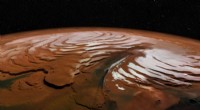
Other planets and moons: There are other potential candidates for precipitation, but they are not as well studied as the ones listed above. For example, there is evidence of rain on Mars, but it is rare and would likely be frozen due to the planet's cold temperatures.
So, while it's not exactly the same as Earth's rain, there are instances of precipitation on other planets and moons, albeit with different compositions and conditions.