1. Observing Light:
* Telescopes: Astronomers use various types of telescopes, including ground-based and space-based, to observe the Sun's light. These telescopes capture visible light, infrared radiation, ultraviolet radiation, and even X-rays emitted by the Sun.
* Spectroscopy: Analyzing the Sun's light spectrum allows scientists to determine its composition (hydrogen, helium, and trace elements), temperature, and speed of its material.
2. Studying Solar Activity:
* Sunspots: Darker areas on the Sun's surface, cooler than the surrounding photosphere, are indicators of magnetic activity and can be tracked and analyzed.
* Solar Flares: Sudden, intense bursts of energy from the Sun's surface can be observed in various wavelengths and can help understand the Sun's magnetic processes.
* Coronal Mass Ejections (CMEs): Giant explosions of plasma and magnetic fields ejected from the Sun's corona can affect Earth and are studied to understand their origins and impacts.
3. Spacecraft Missions:
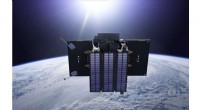
* Satellites: Dedicated spacecraft, such as SOHO, SDO, and Parker Solar Probe, orbit the Sun or fly close to it, allowing scientists to collect detailed data about its atmosphere, magnetic field, and activity.
* In-Situ Measurements: These spacecraft directly measure properties like the Sun's magnetic field, solar wind speed, and composition.
4. Computer Modeling:
* Numerical simulations: Complex computer models are used to simulate the Sun's internal structure and processes, helping scientists understand its energy production, magnetic field generation, and solar activity.
5. Historical Records:
* Ancient Observations: Historical records, including writings and drawings, provide insights into past solar activity, such as sunspot cycles.
* Tree Rings and Ice Cores: These natural archives contain clues about past solar activity, helping scientists understand long-term trends.
By combining these techniques, scientists have pieced together a detailed picture of the Sun, its structure, its activity, and its influence on Earth. They continue to refine their understanding through ongoing research and exploration.