Evidence of Past Liquid Water:
* Riverbeds, lakes, and deltas: Images from orbit and rovers show ancient riverbeds, dried-up lakebeds, and delta formations, indicating the presence of flowing liquid water in the past.
* Minerals: Minerals like hematite and gypsum found on Mars are often formed in the presence of liquid water.
* Evidence of ancient oceans: Researchers believe Mars may have had an ocean covering a significant portion of its northern hemisphere, possibly as much as half the planet.
Climate Change and Loss of Atmosphere:
* Thin atmosphere: Mars's atmosphere is extremely thin and primarily composed of carbon dioxide, with only trace amounts of other gases.
* Loss of magnetic field: Mars lost its global magnetic field billions of years ago, leaving it vulnerable to the solar wind.
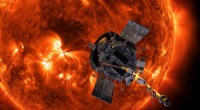
* Solar wind stripping: The solar wind, a constant stream of charged particles from the sun, has eroded Mars's atmosphere over time.
* Water loss: Much of the water on Mars is thought to have been lost to space through atmospheric escape.
Current Climate:
* Extremely cold: Average temperatures on Mars are -81 degrees Fahrenheit (-63 degrees Celsius).
* Low pressure: The atmospheric pressure on Mars is less than 1% of Earth's, meaning water would immediately boil on the surface.
* Dust storms: Mars experiences massive dust storms that can engulf the entire planet.
* Polar ice caps: Mars has polar ice caps composed primarily of water ice and carbon dioxide ice (dry ice).
Potential for Past Life:
* Evidence of organic molecules: Several missions have found organic molecules on Mars, which are the building blocks of life.
* Past habitable conditions: The presence of liquid water and potentially habitable environments in the past raises the possibility of ancient life on Mars.
Ongoing Research and Future Missions:
* Rover missions: Ongoing rover missions like Perseverance are studying Mars's geology, climate, and searching for signs of past life.
* Future missions: Planned future missions aim to collect Martian samples for return to Earth and send humans to Mars.
In Conclusion:
Scientists have uncovered a fascinating history of Mars, revealing a planet that once held liquid water and potentially habitable conditions. While Mars is now a cold and dry world, understanding its past climate helps us understand the evolution of planets, including our own. Ongoing research promises to further illuminate the secrets of this intriguing red planet.