* Space is incredibly large: The distances between celestial objects are immense. It's hard to comprehend just how vast space is. For example, the Earth is about 93 million miles from the Sun, and that distance is called an Astronomical Unit (AU).
* Orbits are predictable: The Sun, Moon, and planets all follow predictable paths called orbits. They are constantly moving, but these paths are relatively stable, meaning they rarely come close to colliding.
* Gravity and inertia: Gravity keeps the planets in their orbits around the Sun, and inertia keeps them moving in a straight line. This combination of forces ensures a stable system.
Why we don't bump into the Moon:
* The Moon orbits the Earth, and Earth orbits the Sun. These orbits are relatively stable, and the Moon and Earth are always moving together.
Why we don't bump into other planets:
* Other planets have their own orbits around the Sun. These orbits are also stable, and they are usually far enough apart to avoid collisions.
However, there are some exceptions:
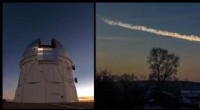
* Asteroids and comets: These smaller objects can occasionally come close to Earth, and some have even impacted our planet in the past. However, these impacts are rare.
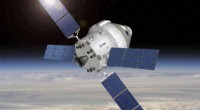
* Space junk: We have sent a lot of satellites and other objects into space, and some of these objects can pose a risk of collision with other spacecraft.
In summary, while space is a vast and dynamic environment, we don't bump into the Sun, Moon, or other planets because of the immense distances, predictable orbits, and the balance of gravity and inertia.