General Considerations:
* Magnification: While magnification is important, it's not the only factor. A telescope with high magnification might show you a larger image, but it also makes the image dimmer and harder to focus.
* Aperture: The diameter of the telescope's primary mirror or lens is called aperture. A larger aperture gathers more light, making objects appear brighter and showing more detail.
* Quality: A well-made telescope with good optics will provide a sharper and clearer image than a cheaply made one.
Planets:
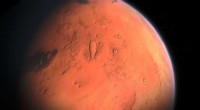
* Bright Planets (Venus, Jupiter, Mars, Saturn): Even a small telescope (4-6 inches aperture) can reveal some basic features of these planets.
* You might see Jupiter's moons, the banding on Jupiter, Saturn's rings, and even the polar ice caps of Mars.
* Fainter Planets (Uranus, Neptune): These planets require a larger telescope (8-10 inches aperture) to see anything more than small, bluish discs.
* Mercury: Due to its proximity to the sun, observing Mercury is challenging. A larger telescope and excellent observing conditions are needed.
Recommendations:
* Beginner: A 4-6 inch telescope with a good quality objective lens is a great starting point for observing bright planets and the moon.
* Intermediate: An 8-10 inch telescope will allow you to see more details on planets and start observing fainter objects like galaxies and nebulae.
* Advanced: Telescopes with apertures of 12 inches or larger are suitable for advanced planetary observation and deep-sky astronomy.
Additional Factors:
* Location: Observing from a dark sky location away from light pollution will significantly enhance your viewing experience.
* Seeing: Atmospheric conditions can impact the clarity of images. A still, stable atmosphere provides the best viewing.
* Experience: Your observational skills will improve with practice. Learning how to properly use your telescope and adjust for atmospheric conditions will enhance your view.
In short, a decent beginner's telescope can give you an amazing view of the bright planets, but seeing fainter planets or more detail will require a larger telescope and optimal observing conditions.
Before purchasing a telescope, consider joining a local astronomy club or visiting an observatory to get a firsthand experience and advice.