Here's a breakdown:
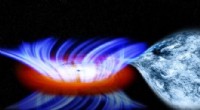
* Stars don't die instantly: They go through a series of stages as they run out of fuel, from red giants and white dwarfs to supernova explosions and black holes. These stages can take billions of years.
* Light travels at a finite speed: This means we see stars as they were in the past, not as they are now. The further away a star is, the longer ago its light left it.
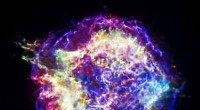
* Even after a star "dies", it can still emit faint light: This light can be from the remnant of the star (like a white dwarf or neutron star) or from surrounding gas and dust illuminated by the dying star.
So, to answer your question more directly:
* If we're talking about the star ceasing to emit light completely: This could take trillions of years, as the faint glow from remnants gradually fades.
* If we're talking about the last light from the star's original core reaching Earth: This depends on the distance of the star and can be billions of years after it actually "dies".
For example: A star 10 billion light years away that died 10 billion years ago would still be visible to us today, even though it's long since gone.
In summary, there's no single answer to how long it takes for a star's light to stop. It depends on how we define "dead" and what kind of light we're talking about.