While we can't directly observe the formation of a solar system, we can study:
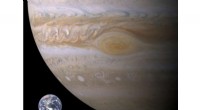
* Exoplanet characteristics: By observing exoplanets, we can learn about their size, composition, orbital properties, and how they interact with their host stars. This information provides insights into how planets form and evolve.
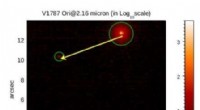
* Protoplanetary disks: We can observe disks of gas and dust around young stars, which are the building blocks of planetary systems. These disks show evidence of planet formation processes like accretion and migration.
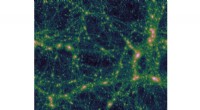
* Computer simulations: Scientists use sophisticated computer models to simulate planet formation under various conditions. These models can help explain observed phenomena and make predictions about the properties of planetary systems.
Therefore, while we can't directly observe the formation of a solar system, we have many indirect methods that allow us to theorize and study the process. The discovery of exoplanets has drastically improved our understanding, and new discoveries are constantly being made.