Terrestrial planets are rocky, solid planets found within a solar system. They are typically smaller and denser than gas giants, and their composition is mainly composed of silicates, iron, and nickel.
Here are some key characteristics of terrestrial planets:
Physical Characteristics:
* Solid surface: They have a solid, rocky surface, unlike gas giants which are primarily composed of gas.
* Smaller size and mass: Generally smaller and less massive than gas giants.
* Higher density: They are denser due to their rocky composition.
* No rings: Terrestrial planets typically don't have prominent ring systems.
Composition:
* Silicates: The primary component of the crust and mantle.
* Iron and nickel: Form the planet's core.
* Trace amounts of other elements: These include oxygen, magnesium, silicon, calcium, and aluminum.
Examples of Terrestrial Planets:
* Mercury: The smallest and innermost planet in our solar system.
* Venus: Earth's closest neighbor, known for its extreme temperatures.
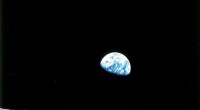
* Earth: Our home planet, unique for harboring life.
* Mars: The "Red Planet" known for its rusty surface and potential for past life.
Key Differences from Gas Giants:
* Composition: Terrestrial planets are rocky, while gas giants are primarily composed of hydrogen and helium.
* Atmosphere: Terrestrial planets have thin atmospheres, while gas giants have massive atmospheres.
* Internal Structure: Terrestrial planets have a core, mantle, and crust, while gas giants have a core surrounded by layers of gas.
* Formation: Terrestrial planets formed closer to the Sun, where the solar nebula was hotter and denser.
Beyond our Solar System:
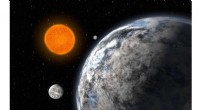
While we know of terrestrial planets in our own solar system, astronomers are discovering more and more terrestrial planets orbiting other stars. These "exoplanets" are expanding our understanding of planetary diversity and the possibilities for life beyond Earth.