1. Distance: Exoplanets are incredibly far away. Even the closest ones are light-years away, meaning the light from them takes years to reach us. This makes them appear incredibly faint and small.
2. Brightness: The stars that exoplanets orbit are much brighter than the planets themselves. This makes it hard to distinguish the faint light of the planet from the overwhelming light of its star.
3. Size and Resolution: Exoplanets are tiny compared to their host stars. We need incredibly powerful telescopes with high resolution to be able to separate the light from the planet from the light from the star.
4. Atmospheric Interference: The Earth's atmosphere distorts light from space, making it harder to see faint objects like exoplanets. This is why space telescopes like Hubble and James Webb are so valuable, as they operate above the atmosphere.
5. Variability: The brightness of a star can fluctuate, making it difficult to separate the changes in brightness caused by the star itself from changes caused by a planet passing in front of it.
6. Direct Imaging: While we have captured some direct images of exoplanets, it's still incredibly difficult. Most exoplanets are too faint and too close to their stars to be seen directly with current technology.
Methods to overcome these challenges:
Scientists have developed various methods to overcome these challenges and study exoplanets, including:
* Transit Method: Detecting the slight dimming of a star's light as an exoplanet passes in front of it.
* Radial Velocity Method: Measuring the "wobble" of a star caused by the gravitational pull of an orbiting planet.
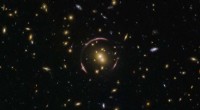
* Microlensing: Using the gravitational lensing effect of a star to magnify the light from an exoplanet.
* Direct Imaging: Capturing images of exoplanets directly, though this is still very challenging.
These methods are constantly being refined and improved, leading to an explosion of discoveries in the field of exoplanet research. Even with these advancements, observing exoplanets remains a challenging and rewarding field, pushing the limits of our understanding of the universe.