* Our View is Limited: We can only see stars within a certain distance from Earth. The further away a star is, the fainter it appears. Our telescopes can see billions of stars, but that's still a tiny fraction of the total stars in the Milky Way, let alone the universe.
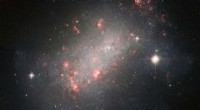
* Distribution of Galaxies: Galaxies are not evenly distributed in the universe. There are areas with high concentrations of galaxies and vast areas with very few. The Milky Way is part of a local group of galaxies, and it's hard to say what percentage of visible stars belong to other galaxies in this group.
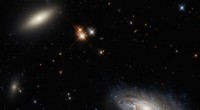
* Beyond Our Local Group: The vast majority of galaxies lie far beyond our local group, and we only see the brightest stars in these distant galaxies.
What We Do Know:
* Most Visible Stars: The vast majority of stars we see with the naked eye are within the Milky Way.
* Distant Galaxies: We can see a few hundred billion galaxies, but most of them are incredibly faint and contain trillions of stars.
* Constant Discovery: New stars and galaxies are constantly being discovered, making it impossible to give a definitive percentage.
In summary: While we can estimate the number of galaxies and stars in the observable universe, it's impossible to give a concrete percentage of stars we see that are *not* in the Milky Way. Our view is limited, galaxies are unevenly distributed, and we're still discovering new celestial objects.