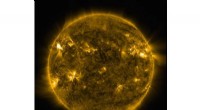
* Stars produce their own light: Stars are massive balls of hot gas that generate their own light through nuclear fusion. This process creates enormous amounts of energy, which is released as light and heat.
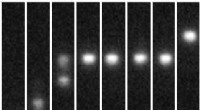
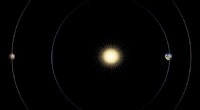
* Planets reflect light: Planets do not produce their own light. They reflect light from a nearby star, like our own Sun. The light we see from planets is essentially a reflection of the star's light.
Here's a simple analogy:
Imagine a campfire (star) and a rock (planet) next to it. The campfire produces its own light and heat. The rock doesn't, but it glows because it's being illuminated by the campfire's light.
Other Key Differences:
* Brightness: Stars are generally much brighter than planets, because they are producing their own light. Planets appear dimmer because they only reflect a portion of the light from their star.
* Twinkling: Stars often appear to twinkle due to the Earth's atmosphere, which causes the light to be refracted in different directions. Planets, being much closer, do not exhibit the same degree of twinkling.
Exception:
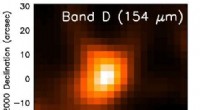
While most planets shine due to reflected sunlight, there are exceptions. Jupiter, for example, emits a faint amount of its own light due to internal processes. However, this is significantly less than the light it receives from the Sun.