Why stars twinkle:
* Atmospheric turbulence: The Earth's atmosphere is constantly in motion, with different layers of air at varying temperatures and densities. This turbulence causes light from stars to bend and refract in different directions as it passes through the atmosphere.
* Multiple paths: The light from a star reaches your eye through many slightly different paths due to the atmospheric turbulence. This causes the light to fluctuate in brightness and position, making the star appear to twinkle.
Why planets don't twinkle as much:
* Closer and larger: Planets in our solar system are much closer to Earth than stars. They appear as larger discs of light in the sky, rather than point sources like stars.
* More light: Because planets are closer and larger, they emit a greater amount of light. This means that even if some of the light is distorted by the atmosphere, there is still enough light reaching our eyes to create a relatively consistent image.
* Light from many points: While stars are points of light, planets have a surface area, so light is reaching us from many points across that surface. This averages out the effects of atmospheric turbulence, making the twinkling less noticeable.
It's not a perfect distinction:
* Conditions: Even planets can twinkle slightly under certain atmospheric conditions, particularly when they are low on the horizon and their light has to pass through more atmosphere.
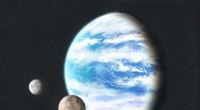
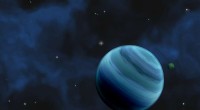
* Distance: Very distant planets, like those outside our solar system, can also appear to twinkle due to their faintness and the long distance their light has to travel.
In summary: The twinkling of stars is primarily due to the effects of Earth's atmosphere on the light from distant point sources. Planets, being closer and larger, are less affected by this turbulence.