Here's a more detailed description:
* Color: The Moon appears a pale grayish-white color, with a slight hint of yellow or brown depending on the lighting conditions.
* Shape: The Moon is a sphere, although it appears slightly oval-shaped when it's near the horizon due to an optical illusion.
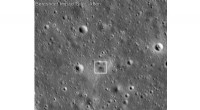
* Surface: The Moon's surface is covered in craters, mountains, valleys, and plains of solidified lava known as "maria" (Latin for "seas"). These features give the Moon its distinctive, cratered appearance.
* Brightness: The Moon's brightness varies depending on its phase. A full moon is the brightest, while a new moon is invisible.
* Texture: The Moon's surface is rough and dusty, with no atmosphere to speak of.
It's worth noting that the Moon doesn't have its own light, but rather reflects the light of the Sun. This is why we see different phases of the Moon as it orbits the Earth, and why it appears to change brightness over time.