1. Condensation and Accretion:
* Temperature Gradient: The solar nebula was hotter closer to the Sun and cooler further out. This temperature gradient determined which materials could condense into solid particles (planetesimals).
* Inner Solar System: Near the Sun, only refractory materials (high melting points), like iron, nickel, and silicates, could condense. These formed the rocky inner planets (Mercury, Venus, Earth, and Mars) with higher densities.
* Outer Solar System: Further out, where temperatures were colder, volatile compounds like water, methane, and ammonia could condense. These contributed to the formation of the gas giants (Jupiter, Saturn, Uranus, and Neptune), with lower densities due to the presence of lighter elements and their gaseous nature.
2. Differentiation:
* Planetary Heating: Gravitational collapse and radioactive decay within planetesimals generated internal heat.
* Melting and Separation: This heat melted the interiors of planets, allowing denser materials like iron and nickel to sink to the core, while lighter materials rose to the surface.
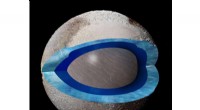
* Layered Structure: This process led to the formation of the layered structure of planets, with a dense core, a rocky mantle, and a lighter crust.
3. Chemical Composition:
* Solar Nebula Composition: The solar nebula had a chemical composition similar to the Sun, primarily hydrogen and helium, with trace amounts of heavier elements.
* Planetary Accretion: Planets accreted materials from the nebula, inheriting its chemical composition. However, the specific composition varied based on the condensation process, as explained above.
* Volatiles: The outer planets retained volatile elements like hydrogen, helium, methane, and ammonia, resulting in their gaseous atmospheres.
4. Evidence Supporting the Theory:
* Planetary Density Gradient: The observed density gradient across the solar system aligns with the condensation theory.
* Planetary Composition: The chemical composition of planets aligns with the expected composition of materials that could condense at their respective orbital distances.
* Meteorites: Meteorites provide samples of early solar system materials, confirming the expected composition and isotopic ratios.
In Conclusion: The solar nebula theory, combined with the processes of condensation, accretion, and differentiation, successfully explains the current densities and chemical compositions of planets in our solar system. This theory provides a framework for understanding the formation and evolution of planetary systems, not only in our own but also in others around distant stars.