* Hot, young stars: Ionization nebulae are created by the intense ultraviolet radiation emitted by hot, young, massive stars (O and B type stars). These stars have incredibly high surface temperatures and emit a large amount of ultraviolet light.
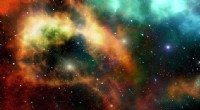
* Gas and dust: The radiation from these stars ionizes the surrounding gas and dust, creating the glowing nebulae. The ionized gas emits light at specific wavelengths, giving the nebulae their distinctive colors.
* Star-forming regions: Star formation occurs in clouds of gas and dust, known as molecular clouds. These clouds are the ideal environment for the formation of massive stars, which in turn create ionization nebulae.
Therefore, you'll find ionization nebulae in:
* Spiral arms of galaxies: These areas are where most star formation occurs.
* Star clusters: Groups of young stars, especially those containing massive stars, often have associated ionization nebulae.
* Giant molecular clouds: These vast clouds are the birthplace of stars and are rich in gas and dust that can be ionized.
Examples of famous ionization nebulae:
* Orion Nebula: A well-known and prominent ionization nebula in the constellation Orion.
* Lagoon Nebula (M8): Located in Sagittarius, this nebula is a vibrant example of star formation and ionization.
* Eta Carinae Nebula: This extremely luminous nebula is home to one of the most massive and unstable stars in the Milky Way.
In summary, ionization nebulae are found in areas where there is a high concentration of young, hot stars, which ionize the surrounding gas and dust, creating the characteristic glowing structures.