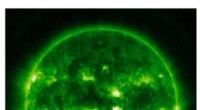
The sun emits intense radiation:
* Infrared radiation: This is what we feel as heat. It can cause burns to the cornea and lens of the eye, leading to pain, blurry vision, and even blindness.
* Ultraviolet (UV) radiation: This is invisible to the naked eye but can damage the retina, the light-sensitive tissue at the back of the eye. UV damage can lead to solar retinopathy, a condition that causes blurry vision, blind spots, and even complete vision loss.
* Visible light: While not as harmful as UV or infrared, the sheer intensity of visible light from the sun can also damage the retina.
It's not just looking directly:
* Sunglasses: Most sunglasses offer minimal protection from UV radiation. They are not a safe substitute for proper solar viewing equipment.
* Clouds: Even when the sun is obscured by clouds, harmful radiation can still reach your eyes.
* Reflected sunlight: Sunlight reflected off water, snow, or even sand can be just as dangerous as direct sunlight.
How to safely observe the sun:
* Use certified solar viewers: These are specifically designed to filter out harmful radiation and allow safe viewing of the sun. They are available at reputable astronomy stores and online retailers.
* Project the image: Use a telescope or binoculars to project an image of the sun onto a white surface. Never look directly through the device at the sun.
* Attend a solar viewing event: Many astronomy clubs and observatories hold public events for safe solar viewing.
Never look at the sun directly, even for a short time, without proper protection. Permanent eye damage can occur within seconds, and there is no cure.