1. Orbital Paths:
* Different orbits: Planets in our solar system orbit the Sun at different speeds and distances. This means they're constantly changing positions relative to Earth.
* Inferior and superior planets:
* Inferior planets (Mercury and Venus): They orbit closer to the Sun than Earth. We can only see them near sunrise or sunset when they're aligned with the Sun and Earth.
* Superior planets (Mars, Jupiter, Saturn, Uranus, Neptune): They orbit further away from the Sun than Earth. We can see them at various times throughout the night, but their visibility depends on their position relative to the Sun and Earth.
2. Earth's Rotation:
* Day and night: As Earth rotates, different parts of the sky become visible at different times.
* Planet's position: A planet might be visible in the sky at night in one part of the world but not in another.
3. Planetary Conjunctions:
* Conjunctions: When two or more planets appear close together in the sky, they might obscure each other's visibility.
* Opposition: When a superior planet is directly opposite the Sun in the sky, it's at its brightest and most visible.
4. Brightness and Distance:
* Distance: Planets appear smaller and dimmer as they're further away from Earth.
* Reflected sunlight: Planets don't emit their own light; they reflect sunlight. The amount of reflected light depends on the planet's size, composition, and how much sunlight it receives.
5. Atmospheric Conditions:
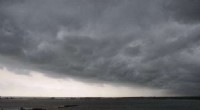
* Clouds and weather: Clouds can obscure planets from view.
* Light pollution: Artificial light can make it harder to see faint planets.
In summary, the visibility of planets in the night sky is determined by a complex interplay of their orbital paths, Earth's rotation, their brightness, their distance from Earth, and atmospheric conditions.