1. Gravity:
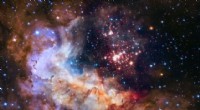
* The fundamental force: Gravity is the key driver. It pulls the vast amount of gas and dust (mostly hydrogen) within a nebula together.
* Compression and heat: As the material collapses, it compresses and heats up. Think of squeezing a bicycle pump – the air inside gets hotter.
* Nuclear fusion ignition: Eventually, the core of the collapsing nebula becomes incredibly hot and dense. This intense heat and pressure trigger nuclear fusion.
2. Nuclear Fusion:
* The "burning" process: Nuclear fusion is the actual "burning" that powers stars. In the core, hydrogen atoms fuse together to form helium, releasing an immense amount of energy in the process.
* Energy output: This energy is what makes stars shine and creates the intense heat and light we observe.
In short: Gravity initiates the process by pulling the material together, and nuclear fusion is the reaction that sustains the star's "burning."
Important Note: While we often say a star "burns", it's not a chemical combustion process like burning wood. It's the nuclear fusion of hydrogen into helium that releases energy.