* Light Bending: Earth's atmosphere isn't a smooth, uniform layer. It's constantly moving, with pockets of warm and cool air. As starlight passes through this turbulent atmosphere, it gets bent and refracted (like light through a prism).
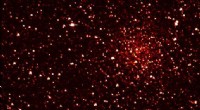
* Shimmering Effect: These constant changes in the direction of the light cause the star's image to shift and dance, creating the twinkling effect.
* Magnification and Distortion: The bending of light can also magnify and distort the star's image, making it appear to change in brightness.
Factors that Affect Twinkling:
* Altitude: Stars lower in the sky twinkle more because their light passes through more atmosphere.
* Weather Conditions: Turbulence is more pronounced during windy or stormy weather, which can cause more pronounced twinkling.
Why Planets Don't Twinkle:
Planets appear as disks rather than points of light. This means their light is spread over a larger area, so the atmospheric turbulence doesn't cause significant changes in their apparent brightness or position.
Fun Fact: The twinkling of stars is actually a *detriment* to astronomers studying them. To overcome this, astronomers use telescopes in space or employ adaptive optics techniques to correct for atmospheric distortions.