1. Asteroids:
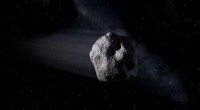
* Definition: Rocky or metallic bodies that orbit the sun, mainly found in the asteroid belt between Mars and Jupiter.
* Size: Range from a few meters to hundreds of kilometers across.
* Composition: Primarily rock and metal.
* Relationship to Other Objects:
* Meteoroids: When an asteroid breaks apart, smaller fragments become meteoroids.
* Comets: Asteroids are distinct from comets in their composition and origin.
2. Comets:
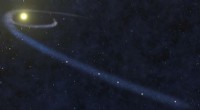
* Definition: Icy bodies with a nucleus of frozen gases, dust, and rock that orbit the sun.
* Size: Usually a few kilometers across.
* Composition: Water ice, methane, ammonia, carbon dioxide, and dust.
* Relationship to Other Objects:
* Meteoroids: Comets also leave trails of debris called meteoroid streams. These particles are smaller than asteroids and are composed primarily of ice.
* Asteroids: Comets are distinct from asteroids in their composition and origin.
3. Meteoroids:
* Definition: Small, rocky or metallic objects that travel through space.
* Size: Range from dust-sized particles to a few meters across.
* Composition: Similar to asteroids and comets, depending on their origin.
* Relationship to Other Objects:
* Asteroids: Meteoroids can originate from asteroids that break apart.
* Comets: Meteoroids can also come from comets, especially when they pass close to the sun and shed their icy material.
* Meteors: When a meteoroid enters Earth's atmosphere, it heats up and glows, becoming a meteor (shooting star).
* Meteorites: If a meteoroid survives its fiery descent through the atmosphere and reaches Earth's surface, it's called a meteorite.
In Summary:
* Asteroids and comets are the larger parent bodies.
* Meteoroids are fragments of asteroids or comets.
* Meteors are the brief streaks of light created by meteoroids entering Earth's atmosphere.
* Meteorites are meteoroids that have survived their atmospheric journey and landed on Earth.