1. Earth's Atmosphere:
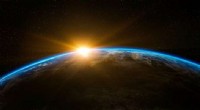
* Scattering of Light: The atmosphere scatters sunlight, causing the blue color of the sky during the day. At sunrise and sunset, the light travels through more atmosphere, scattering away the shorter blue wavelengths, leaving us with the warm hues of red, orange, and yellow.
* Clouds: Water vapor in the atmosphere condenses into clouds, which can reflect sunlight, creating various shapes and colors.
* Dust and Particles: Dust, pollen, and other particles in the air can scatter and reflect light, creating colorful sunsets, sun halos, and even rainbows.
2. Celestial Objects:
* Sun and Moon: The sun and moon are the most prominent celestial objects, providing light and creating shadows. The moon's phases, eclipses, and other events create spectacular displays in the night sky.
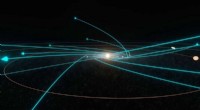
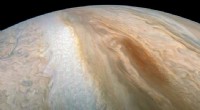
* Planets: The planets in our solar system can be seen with the naked eye, and their positions and motions create interesting patterns and configurations.
* Stars: The stars are distant suns that emit light. Their twinkling and constellations create beautiful patterns.
* Meteor Showers: When Earth passes through a stream of debris left behind by comets or asteroids, we witness meteor showers, streaks of light created by burning particles.
3. Human Perception:
* Optical Illusions: Our brains interpret the light coming from the sky and create images based on their experiences. Optical illusions like mirages can create the appearance of water in the desert or shimmering lights in the sky.
* Cultural Significance: Different cultures have developed myths and stories about celestial events, adding to their significance and wonder.
Specific Examples:
* Aurora Borealis (Northern Lights): Charged particles from the sun interact with the Earth's magnetic field, creating spectacular displays of light in the polar regions.
* Rainbows: Sunlight is refracted and reflected by raindrops, creating a spectrum of colors.
* Sunsets and Sunrises: The changing colors of the sky at sunrise and sunset are a result of the scattering of sunlight by the atmosphere.
* Eclipses: The moon passing between the sun and Earth (solar eclipse) or the Earth passing between the sun and moon (lunar eclipse) creates striking astronomical events.
In summary, the spectacular events we see in the sky are a result of the interaction of light, air, and celestial objects, along with our perception of them.