* The Moon: While the moon doesn't produce its own light, it reflects sunlight, making it visible to us. This reflected light can be bright enough to cast shadows, especially during a full moon.
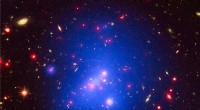
* Stars: Stars are other massive bodies that emit their own light, just like the sun. We can see many stars in the night sky, and their light reaches Earth, though it's much dimmer than sunlight.
* Bio-luminescence: Some living organisms, like fireflies, jellyfish, and certain deep-sea creatures, produce their own light through chemical reactions. This is known as bioluminescence.
* Lightning: Lightning is a powerful electrical discharge that produces a bright flash of light.
* Aurora Borealis/Australis: These spectacular displays of light in the sky are caused by charged particles from the sun interacting with Earth's atmosphere.
So, while the sun is our main source of light, there are other natural sources that contribute to the illumination of our planet.