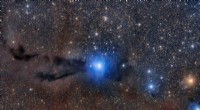
A star is a giant ball of hot gas, primarily hydrogen and helium, that generates its own light and heat through nuclear fusion in its core. These celestial bodies are incredibly far away, but their brilliance can still reach us on Earth.
How Stars Contribute to the Beauty of Night:
* A Dazzling Display: The vastness of the night sky is illuminated by countless stars, creating a mesmerizing tapestry of light. Each star shines with its unique color and intensity, adding to the overall beauty.
* Constellations and Stories: Over millennia, humans have identified patterns in the stars, creating constellations that tell stories and myths. These constellations have inspired generations, adding a layer of wonder and imagination to the night sky.
* Celestial Navigators: Stars have served as guiding lights for sailors and explorers, helping them navigate across vast oceans and traverse unknown lands. The reliance on stars for navigation further highlights their significance in human history and their connection to exploration.
* A Sense of Wonder and Awe: The sheer scale and vastness of the universe, embodied by the twinkling stars, can evoke feelings of awe, wonder, and insignificance. This perspective can be humbling and inspire a sense of connection to something much larger than ourselves.
* Romantic and Poetic Inspiration: The beauty of the night sky, with its twinkling stars, has inspired countless poems, songs, and stories. The stars have become symbols of hope, love, and mystery, enhancing the romantic and poetic nature of the night.
In conclusion, stars are not just celestial objects; they are sources of light, inspiration, and wonder. Their presence in the night sky contributes significantly to the beauty and majesty of the world around us.