1. Earth has an atmosphere:
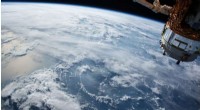
- The atmosphere acts like a shield, burning up most small meteoroids before they can hit the surface.
- Even larger meteoroids often break apart before impact, reducing the size and impact force of the resulting crater.
- Weathering and erosion from wind and rain wear down craters over time, smoothing them out.
2. Earth has plate tectonics:
- The Earth's crust is constantly moving, recycling old rock and creating new rock. This process can erase or distort old craters.
- Volcanic activity can also bury or transform existing craters.
3. Earth has abundant plant and animal life:
- Plants and animals constantly alter the landscape, covering craters with vegetation and soil.
4. The Moon lacks these features:
- The Moon has no atmosphere to protect it from meteoroids.
- It has no plate tectonics to reshape the surface.
- It has no significant weathering or erosion.
- It has no plant or animal life to cover craters.
As a result, craters on the Moon are preserved for millions, even billions, of years, making them very visible.
However, there are still some visible craters on Earth. Some examples include:
* Barringer Crater (Meteor Crater) in Arizona, USA: This is a well-preserved impact crater that is about 50,000 years old.
* Manicouagan Crater in Quebec, Canada: This is a large impact crater, around 214 million years old, that has been partially filled with water.
* Sudbury Basin in Ontario, Canada: This is a large impact structure, estimated to be 1.85 billion years old.
These are just a few examples, and there are many other craters on Earth that are less visible but still exist.