The Basics:
* Brighter Nights: The moon would be a significant light source, making nights much brighter. We might not even need artificial lights in some areas.
* Different Phases: The moon's phases wouldn't be determined by reflected sunlight. It's possible we'd see different shapes and patterns of light emanating from the moon as it rotated, or if it had internal light sources that varied in intensity.
Beyond the Obvious:
* A Second Sun: The moon might appear as a second, smaller sun in the sky. It could have a different color, depending on the type of light it emitted.
* Shimmering Effects: The moon's light could interact with the Earth's atmosphere, creating colorful auroras or shimmering effects across the night sky.
* Biological Adaptations: Plants and animals might evolve to take advantage of the additional light, leading to new ecosystems and behaviors.
Important Considerations:
* The Source: The nature of the moon's light would determine how it looked. Is it a glowing surface? An internal source? A chemical reaction? This would significantly impact its appearance.
* Intensity: How bright would the moon be? If it were too bright, it could disrupt sleep patterns and even harm our vision.
In Conclusion:
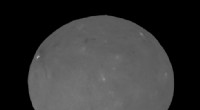
A moon producing its own light would create a breathtaking and surreal celestial spectacle. It would alter our nights, impact our ecosystems, and fundamentally change how we experience the cosmos. It's a fun thought experiment that sparks our imagination about the possibilities of the universe.