Here's why:
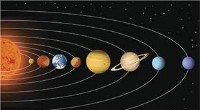
* Extreme Conditions: Jupiter is a gas giant, meaning it has no solid surface. It's primarily composed of hydrogen and helium, with intense atmospheric pressure, extreme temperatures, and constant storms. These conditions are simply too harsh to support any life as we know it.
* No Liquid Water: While Jupiter does have a small amount of water in its atmosphere, it's not in a liquid form, which is essential for life.
* Lack of a Protective Magnetosphere: Jupiter's magnetosphere is powerful, but it's not strong enough to protect potential life from the intense radiation from the Sun and Jupiter's own magnetic field.
However, there is some speculation about potential life on Jupiter's moons:
* Europa: This moon has a subsurface ocean of liquid water and might have hydrothermal vents on its ocean floor, potentially providing a source of energy for life.
* Ganymede: This moon also has a subsurface ocean, making it another potential candidate for life.
While these moons are promising for potential life, it's important to remember that no evidence of life has been found yet. Scientists continue to explore these moons to search for signs of past or present life.