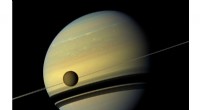
* Size: Jupiter is significantly larger than Mars. It's the largest planet in our solar system, with a diameter roughly 11 times that of Earth. Mars is only about twice the size of Earth. This means Jupiter has a much greater surface area to reflect sunlight.
* Reflection: Jupiter is a gas giant, primarily composed of hydrogen and helium, which are highly reflective. This means it reflects a large percentage of the sunlight that hits it. Mars, on the other hand, is a rocky planet with a dusty, reddish surface that absorbs more sunlight.
* Distance from the Sun: Jupiter is further away from the sun than Mars. While this means it receives less direct sunlight, it also means its atmosphere is less likely to be affected by solar wind and radiation, preserving its reflective qualities.
* Orbital Position: The brightness of both planets can vary depending on their position in their respective orbits around the sun and Earth. When Jupiter is closer to Earth and positioned favorably, its brightness can be significantly amplified.
In summary, Jupiter's size, reflectivity, and orbital position contribute to its often-brighter appearance compared to Mars.