1. Find the Right Time and Place:
* Dark Skies: Light pollution is your biggest enemy. Get away from city lights. National parks, remote areas, or even just a dark field away from urban areas will make a difference.
* Timing: The Milky Way is visible in the Northern Hemisphere from late spring to early autumn. The best time to see it is usually around midnight. You can use a stargazing app to find the optimal viewing time in your location.
* Moon Phase: The new moon or a thin crescent moon provides the darkest skies for Milky Way viewing. Avoid nights with a full moon.
2. Identify the Galaxy:
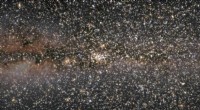
* Band of Light: The Milky Way appears as a faint, hazy band of light stretching across the sky. It's not a solid shape, but more like a river of stars.
* Sagittarius: The Milky Way is most prominent near the constellation Sagittarius. It's near the southern horizon in the summer months.
* Use Stargazing Apps: Apps like Stellarium, SkySafari, or Google Sky Map can help you locate the Milky Way and other celestial objects.
3. Maximize Your View:
* Wait for Your Eyes to Adjust: Allow your eyes 20-30 minutes to adjust to the darkness. Avoid using white light; use a red flashlight if needed.
* Look Up: The Milky Way is often best seen when you're lying down or looking straight up.
* Patience: It might take some time to distinguish the Milky Way from the faint background light.
Additional Tips:
* Plan Ahead: Check the weather forecast and moon phases.
* Dress Warmly: Even in summer, nights can get chilly.
* Avoid Alcohol: Alcohol can impair your vision and make it harder to see faint objects.
* Share the Experience: Stargazing is a great activity to enjoy with friends or family.
Important Note: The visibility of the Milky Way can vary depending on your location, the season, and the weather conditions.
Happy stargazing!