Tools for Studying Mars:
* Telescopes:
* Ground-based telescopes: Astronomers use large ground-based telescopes to observe Mars and gather data on its atmosphere, surface features, and changes over time.
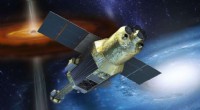
* Space telescopes: Telescopes like Hubble and James Webb can provide incredibly detailed images and spectral data, revealing information about Mars's composition, geology, and even potential signs of past or present life.
* Spacecraft:
* Orbiters: Spacecraft like Mars Reconnaissance Orbiter (MRO) and Mars Express orbit Mars, taking high-resolution images, mapping the surface, and studying the atmosphere.
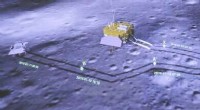
* Landers: Landers like InSight and Perseverance have touched down on the Martian surface, conducting in-situ studies of the geology, atmosphere, and potential for past or present life.
* Rovers: Rovers like Curiosity and Perseverance explore the Martian surface, collecting samples, analyzing the environment, and searching for signs of life.
How Astronomers Contribute:
* Understanding Mars's atmosphere: Astronomers study the composition and dynamics of the Martian atmosphere, looking for signs of past or present climate change and potential habitability.
* Mapping the surface: Astronomers analyze images and data from spacecraft to create detailed maps of the Martian surface, revealing its geology, topography, and history.
* Searching for signs of life: Astronomers use telescopes and spacecraft to look for evidence of past or present life on Mars, focusing on areas with potential for liquid water and organic molecules.
* Studying Martian moons: Astronomers also observe Mars's two moons, Phobos and Deimos, to learn more about their origins and potential for future exploration.
In essence, astronomers use a combination of telescopes, spacecraft, and data analysis to unlock the mysteries of Mars, providing valuable insights for planetary scientists and engineers involved in future missions.