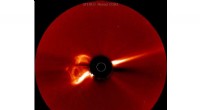
1. The Sun is incredibly hot: The Sun's core temperature is around 27 million degrees Fahrenheit (15 million degrees Celsius). This extreme heat drives nuclear fusion reactions, releasing massive amounts of energy, including light.
2. The Sun emits electromagnetic radiation: Light is a form of electromagnetic radiation. The Sun emits a broad spectrum of this radiation, including visible light, infrared radiation (heat), and ultraviolet radiation.
3. The Sun is far enough away to avoid burning Earth: While the Sun is a powerful source of energy, it's also located at a safe distance from Earth. This distance allows the Earth to receive enough light and heat to sustain life, without being scorched.
4. The vacuum of space allows for unimpeded travel: The vast emptiness of space between the Sun and Earth allows light to travel without being absorbed or scattered by air molecules. This means light can travel at the speed of light (approximately 186,282 miles per second or 299,792 kilometers per second) without hindrance.
5. Earth's atmosphere filters some radiation: While space is a vacuum, Earth's atmosphere acts as a shield, absorbing some of the Sun's harmful radiation, like ultraviolet rays, while allowing beneficial light and heat to reach the surface.
In summary: The Sun's immense heat and nuclear reactions produce light, which travels through the vacuum of space unimpeded, reaching Earth at a safe distance, and filtered through our atmosphere to sustain life.