1. Studying Meteorites and Asteroids:
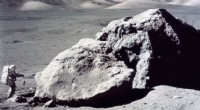
* Compositional Analysis: Scientists analyze the chemical composition of meteorites and asteroids to understand the building blocks of the early solar system. This helps them trace the origin of elements and understand the conditions present during formation.
* Isotopic Dating: Radioactive isotopes within meteorites provide clues about the age of the solar system and the timeline of events leading up to planet formation.
* Microscopic Evidence: Examining the microstructure of meteorites can reveal information about the processes that occurred in the early solar system, such as collisions, melting, and differentiation.
2. Space Missions:
* Sample Return Missions: Missions like Hayabusa2 (Japan) and OSIRIS-REx (NASA) bring back samples from asteroids and comets, providing pristine materials for detailed analysis.
* Orbital Missions: Spacecraft orbiting planets and moons provide detailed images and data about their composition, structure, and geological history. This information helps us understand how the solar system evolved over time.
* Flyby Missions: Flyby missions, like those to Pluto and other outer solar system objects, provide valuable data about the composition and structure of these bodies, offering insights into the early solar system.
3. Computer Simulations:
* Hydrodynamic Modeling: Scientists use computer simulations to model the gravitational interactions of gas and dust in the early solar system, helping them understand how planets formed and how the solar system evolved.
* N-body Simulations: These simulations track the motion of multiple celestial bodies (planets, moons, asteroids) over time, providing insights into orbital stability and the history of collisions.
4. Observing Other Star Systems:
* Exoplanet Detection: Observing the formation of planets around other stars, or exoplanets, helps us understand the diversity of planetary systems and the processes involved in their formation.
* Protoplanetary Disks: Observing protoplanetary disks, which are the swirling disks of gas and dust around young stars, provides direct evidence of planet formation in action.
5. Advanced Technology:
* Next-Generation Telescopes: Next-generation telescopes, like the James Webb Space Telescope, will provide unprecedented resolution and sensitivity for observing the early solar system and other star systems, leading to new discoveries.
* Laboratory Experiments: Advancements in laboratory techniques allow scientists to recreate the conditions of the early solar system in a controlled environment, providing insights into the chemical and physical processes that occurred.
By combining these diverse approaches, scientists will continue to piece together the story of the solar system's formation, uncovering new details about its early history and the processes that led to the planets we see today.