1. Star Clusters: These are groups of stars that are gravitationally bound together. They form within molecular clouds, which are vast, cold, and dense regions of gas and dust.
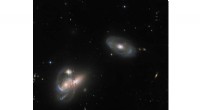
2. Clusters of Galaxies: These are groups of galaxies that are bound together by gravity. They can contain hundreds or even thousands of galaxies.
Let's break down how both of these contribute to galaxy formation and evolution:
Star Clusters and Galaxy Formation:
* Early Universe: In the early universe, star clusters played a crucial role. They were the first sites of star formation, providing the building blocks for larger structures.
* Feedback Mechanism: Star clusters can influence their surrounding environment. Supernovae (explosions of massive stars) in clusters can trigger the formation of new stars, enriching the surrounding gas with heavier elements. This feedback process can lead to the formation of larger star clusters and even dwarf galaxies.
* Mergers and Growth: Smaller clusters can merge over time to create larger clusters, ultimately contributing to the growth and evolution of galaxies.
Clusters of Galaxies and Galaxy Evolution:
* Gravitational Interactions: Clusters of galaxies are environments where galaxies interact strongly due to gravity. These interactions can trigger bursts of star formation within galaxies, as well as shape their overall morphology (structure).
* Tidal Stripping: As galaxies move through clusters, they can be stripped of their gas and stars by the gravitational forces of other galaxies. This process can lead to the formation of tidal tails and dwarf galaxies.
* Mergers and Growth: Galaxies within clusters can merge, leading to the growth of larger galaxies and the evolution of their properties.
In summary, both star clusters and clusters of galaxies play important roles in the formation and evolution of galaxies:
* Star Clusters: Provide the building blocks for early galaxies and feedback mechanisms that drive further star formation.
* Clusters of Galaxies: Drive galaxy interactions, mergers, and the growth of larger galaxies.
It's important to note that the formation and evolution of galaxies is a complex process involving multiple factors, and our understanding is still evolving. However, star clusters and clusters of galaxies are key ingredients in this cosmic recipe!





![Shark Attack Trends: Recent Increase After Years of Decline - [Date]](https://www.scienceaq.com/article/uploadfiles/202210/2022102101054361_S.jpg)