Here's a breakdown:
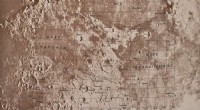
* What they are: Lunar rays are not actual rays of light, but rather long, narrow streaks of bright material ejected from impact craters during their formation.
* Their composition: The material is primarily pulverized lunar rock and dust, known as regolith, which is lighter in color than the surrounding lunar surface.
* How they form: When a large object (like an asteroid or comet) impacts the Moon, it blasts out a huge amount of debris. This debris is spread out in a radial pattern, creating the visible rays.
* Why they appear bright: The regolith in lunar rays is typically finer-grained and more reflective than the surrounding lunar surface, making it appear brighter.
* Not permanent features: Over time, the rays are gradually eroded by micrometeorites and solar wind, becoming less distinct.
Note: While often called "rays", they are not actually rays of light. They are just elongated, bright features that give the illusion of radiating light.