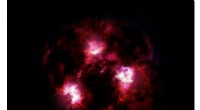
In general, it likely refers to a celestial object that emits light. This could be:
* A star: Stars are giant balls of hot gas that produce their own light through nuclear fusion. They are the most common type of glowing heavenly body.
* A planet: Planets don't produce their own light, but they reflect light from their host star. While not truly glowing, they appear bright in the night sky due to reflected light.
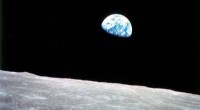
* A moon: Similar to planets, moons reflect light from their host star or planet.
* A nebula: Nebulae are vast clouds of gas and dust that can be illuminated by nearby stars, causing them to glow.
In a more specific context, it could refer to:
* A supernova: This is the powerful explosion of a star at the end of its life. It emits an incredibly bright and intense light for a short period.
* A pulsar: These are rapidly rotating neutron stars that emit beams of electromagnetic radiation, making them appear to "pulse" with light.
* A quasar: These are extremely distant and luminous objects powered by supermassive black holes at the centers of galaxies.
It is important to note that the term "glowing heavenly body" is not a scientifically precise term. It is better to use more specific terms to describe the particular celestial object you are referring to.