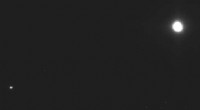
* Contrast: In the dark, there's no other light source to compete with the luminous object's light. This creates a stark contrast, making the object appear much brighter and more noticeable.
* Our Eyes: Our eyes adjust to different levels of light. In darkness, our pupils dilate to let in more light, making us more sensitive to even faint light sources. This enhances the perceived brightness of the luminous object.
Examples of luminous objects:
* Fireflies: These insects produce light through a chemical reaction called bioluminescence.
* Glow sticks: These contain chemicals that react to produce light.
* Light bulbs: These convert electrical energy into light.
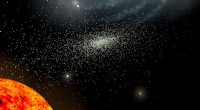
* Stars: These massive balls of gas generate light through nuclear fusion.
So, while we often associate luminous objects with darkness, it's important to remember that they always emit light, regardless of the surrounding conditions. It's just that their light is more noticeable and striking in the absence of other light sources.