* Elements: These are the fundamental building blocks of matter, like hydrogen, helium, carbon, oxygen, iron, etc.
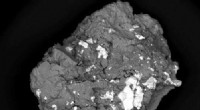
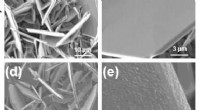
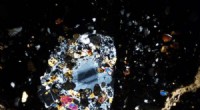
* Minerals: These are naturally occurring solid compounds with specific chemical compositions and crystal structures, like quartz, feldspar, and olivine.
* Rocks: These are aggregates of minerals, like granite, basalt, and sandstone.
* Ices: These are frozen forms of volatile compounds like water, methane, ammonia, and carbon dioxide.
Therefore, it's not accurate to say a celestial body is made of "more than one element." Here's why:
1. All celestial bodies are composed of multiple elements: Even the simplest bodies, like gas giants, are made up of many elements, primarily hydrogen and helium.
2. Chemical compounds form within celestial bodies: Elements within celestial bodies combine to form minerals and other complex compounds.
Examples of Celestial Bodies with Diverse Material Composition:
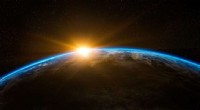
* Earth: Composed of a diverse range of elements, minerals, and rocks, including an iron core, a rocky mantle, and a crust with various minerals.
* Mars: Composed of iron oxide (which gives it its reddish color), silicates, and other minerals.
* Jupiter: Mostly hydrogen and helium, but with traces of heavier elements like methane, ammonia, and water.
* Saturn: Similar to Jupiter, with a core of heavier elements surrounded by a vast atmosphere of hydrogen and helium.
* Comets: Primarily composed of ices (water, methane, ammonia) mixed with dust and rocky particles.
Instead of focusing on "more than one element," it's more accurate to describe the composition of celestial bodies by:
* Elemental Abundance: Describing the relative amounts of different elements present.
* Mineralogy: Identifying the specific minerals present.
* Compositional Layers: Describing the different layers of material that make up the celestial body.