1. "The asteroid": Are you referring to a specific asteroid impact, or impacts in general? The moon has been bombarded by asteroids and meteoroids throughout its history.
2. "Observe changes": Scientists have been observing the moon's surface for centuries, but the technology to detect specific changes has improved dramatically over time.
Considering those points, here's a breakdown:
* Ancient impacts: We know the moon has been heavily cratered over billions of years. Scientists can estimate the age of craters using dating techniques and study the impact events that created them.
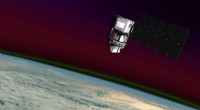
* Recent impacts: Telescopes, spacecraft, and lunar probes have captured images of fresh impact craters, often within days or weeks of the event. For example, in 2013, NASA's Lunar Reconnaissance Orbiter (LRO) captured images of a new crater created by an impact.
* Ongoing observations: Spacecraft like LRO constantly monitor the moon for changes, including new craters, surface shifts, and other signs of impacts.
So, to answer your question directly:
* For recent impacts: Scientists could observe changes in the moon's surface within days or weeks, depending on the size of the impact and the technology used.
* For older impacts: Scientists can estimate the age of craters using various dating methods, but they don't directly observe the impact event itself.
It's important to remember that the moon is constantly bombarded by space debris, and scientists are constantly looking for new evidence of these impacts.